
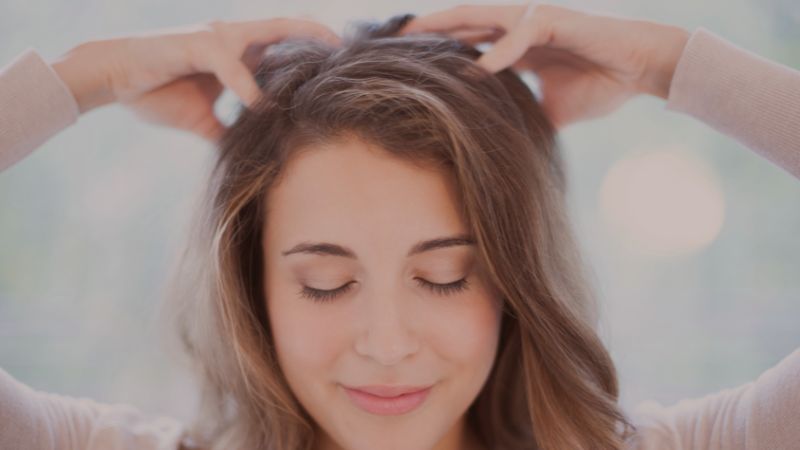
Healthy hair starts with a healthy scalp—yet scalp care remains one of the most overlooked parts of a hair care routine. Many people focus heavily on serums, oils, and styling techniques without addressing the literal root of the problem: scalp health.
Think of your scalp as an extension of your skin. Just like your face, it needs regular cleansing, exfoliation, hydration, and protection. Neglecting your scalp can lead to dryness, oiliness, dandruff, buildup, inflammation, and even hair thinning over time.
This guide covers everything you need to know about scalp care, from understanding your scalp type to building a custom routine that supports optimal hair growth and overall scalp wellness.
Why Scalp Health Matters
Your scalp is home to approximately 100,000 hair follicles. These follicles need a clean, balanced environment to grow strong, healthy strands. When the scalp is clogged or inflamed, it compromises the entire growth process.
Poor scalp health can lead to:
- Weakened hair follicles
- Slower growth or hair loss
- Flaky, itchy skin
- Oil imbalance
- Poor product absorption
Treating your scalp properly not only improves the look and feel of your hair—it also enhances the effectiveness of your entire hair care routine.
Understanding Scalp Types
Just like skin types, your scalp may be:
- Dry: Feels tight or itchy, may flake. Needs moisture and gentle products.
- Oily: Gets greasy quickly, may feel heavy. Requires regular clarifying.
- Sensitive: Reacts to fragrances or active ingredients. Needs soothing, minimal routines.
- Normal: Balanced oil production and minimal irritation. Needs maintenance and protection.
Identifying your scalp type helps guide your product choices and frequency of treatments.
Essential Steps in a Scalp Care Routine
1. Cleanse Regularly
Use a shampoo formulated for your scalp type. Dry scalps benefit from hydrating, sulfate-free cleansers. Oily scalps may need clarifying shampoos that remove excess sebum and buildup.
🧴 Try This:
- Balancing Botanical Cleanser – Soothes irritation while deeply cleaning
- Clarifying Detox Shampoo – Removes impurities and refreshes the scalp
2. Exfoliate Weekly
Exfoliating helps remove dead skin cells, product residue, and excess oil.
- Use a physical scrub or a chemical exfoliant with salicylic acid or lactic acid.
- Massage gently—over-exfoliating can irritate the scalp.
🧴 Try This:
- Scalp Renewal Scrub with Sea Salt – Stimulates blood flow and unclogs pores
- Salicylic Scalp Treatment – Gently dissolves flakes and buildup
3. Hydrate and Nourish
Hydration prevents itchiness, soothes inflammation, and helps regulate oil production.
- Look for leave-in scalp tonics, serums, or oils containing hyaluronic acid, aloe, and panthenol.
🧴 Try This:
- Cooling Aloe Scalp Serum – Refreshes and calms dry, flaky areas
- Hyaluronic Hydrating Mist – Delivers lightweight moisture to both scalp and strands
4. Stimulate with Massage
Massaging your scalp for just five minutes a day can:
- Boost blood circulation
- Enhance nutrient delivery to follicles
- Reduce tension and stress
Use your fingertips or a silicone scalp massager in circular motions. This is especially effective when paired with a growth-boosting oil.
🧴 Try This:
- Rosemary Biotin Scalp Elixir – Encourages stronger roots and fullness
- Lightweight Peppermint Growth Oil – Energizes the scalp while calming irritation
5. Protect Your Scalp
UV rays, pollution, and harsh styling practices can damage your scalp.
- Wear a hat in strong sun.
- Use scalp-friendly sunscreens or SPF hair mists.
- Avoid excessive heat styling directly on the roots.
🧴 Try This:
- UV Protecting Scalp Mist – Guards against sun and pollution
- Weightless Scalp SPF Spray – Non-greasy protection for exposed areas
Signs Your Scalp Needs More Attention
You may benefit from a scalp care reset if you notice:
- Frequent itching or tightness
- Visible flaking or dandruff
- Sudden oiliness
- More shedding than usual
- Slow hair growth or weak strands
- Scalp acne or clogged follicles
Common Scalp Issues and Solutions
Dandruff vs Dry Scalp
- Dandruff: Caused by fungus and oil imbalance. Flakes are oily, yellowish.
- Dry scalp: Caused by dehydration or irritation. Flakes are small, dry, and white.
Solution: Use targeted shampoos and hydrating serums. Exfoliate once weekly.
Itchy Scalp
Often caused by buildup, dryness, or allergies. Avoid heavy products and try soothing ingredients like aloe vera, chamomile, or oat extract.
Oily Scalp
An overactive sebaceous gland may be triggered by harsh shampoos or over-washing. Switch to a balancing formula and introduce scalp exfoliation.
Recommended Luxury Products for Scalp Care
- Botanical Scalp Renewal Serum – Combines aloe, niacinamide, and rosemary
- Sea Salt Detox Scrub – Removes debris while invigorating the roots
- Hydrating Mist with Green Tea – A lightweight scalp refresher for daily use
- Clarifying Foam Shampoo – Air-light cleanser that doesn’t strip moisture
- Overnight Biotin Elixir – Repairs and strengthens while you sleep
FAQs: Scalp Care
Can I use regular shampoo for scalp care?
Yes, but if you have scalp issues (dandruff, oiliness, dryness), it’s best to choose targeted formulations.
How often should I exfoliate my scalp?
Once a week is ideal. Over-exfoliating can cause more harm than good.
Are oils good for the scalp?
Yes—especially rosemary, jojoba, and tea tree oils. Use sparingly and massage in well.
Can scalp care help with hair loss?
It can support hair retention by improving follicle health, but severe cases should be evaluated by a dermatologist.
Should I apply conditioner to my scalp?
Only if the product is designed for scalp use. Most conditioners are meant for the lengths of your hair.
Related Reads
- Hair Care 101: Everything You Need to Know for Strong, Healthy, Beautiful Hair
- Best Hair Oils for Repair and Shine
- How to Choose the Right Shampoo and Conditioner for Your Hair Type
- Styling Essentials: Best Products to Protect, Hold, and Finish
- Deep Conditioning & Hair Masks: Repair, Hydrate, and Strengthen
Conclusion: Healthy Hair Starts with Scalp Wellness
If you’re struggling with breakage, frizz, or slow growth, your scalp may be trying to tell you something. The truth is, beautiful hair begins beneath the surface. With a little attention to scalp care, you’re investing in stronger follicles, healthier strands, and better results from every product you use.
Make scalp care a non-negotiable part of your hair routine. It’s a small shift that can make a major difference.