
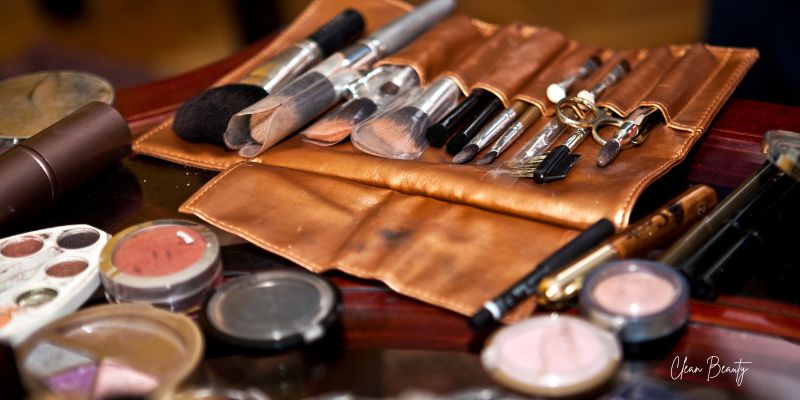
When it comes to skincare and makeup, you probably focus most on what goes on your face—serums, moisturizers, foundations. But what about the tools you use to apply them? Dirty beauty tools can be breeding grounds for bacteria, oils, and product buildup, which can lead to breakouts, irritation, or even infections.
Maintaining your beauty tools isn’t just a hygiene thing—it extends the life of your tools and ensures optimal performance. This guide breaks down how to clean and maintain different types of beauty tools, how often to do it, and product recommendations to make the process easy and effective.
Why Cleaning Your Beauty Tools Matters
- Prevents Bacterial Growth: Brushes and sponges can harbor bacteria that cause acne and skin irritation.
- Improves Performance: Clean tools apply product more evenly and effectively.
- Extends Tool Lifespan: Regular maintenance prevents bristle breakage, rusting, and deterioration.
- Supports Healthy Skin: Avoids reapplying dirt, oil, and old product onto freshly cleansed skin.
How to Clean Makeup Brushes
Quick Daily Refresh (Optional):
Use a brush cleaning spray or alcohol-based mist to remove surface product. Spray on a paper towel and gently swipe bristles until clean.
Deep Weekly Clean:
- Wet bristles with lukewarm water (avoid soaking the ferrule).
- Apply a gentle brush cleanser or baby shampoo.
- Lather and swirl on a cleaning mat or your palm.
- Rinse thoroughly, squeezing out excess water.
- Reshape and lay flat to dry.
🧴 Recommended Product: Brush cleansing solid with built-in scrubbing pad and conditioning agents.
How to Clean Makeup Sponges
- Soak sponge in warm water.
- Apply a gentle cleanser directly to the sponge.
- Squeeze and massage repeatedly until the water runs clear.
- Rinse thoroughly.
- Air-dry in an open, ventilated area (avoid storing damp in closed containers).
🧴 Recommended Product: Gentle foam cleanser designed for sponges, removing stains and bacteria effectively.
How to Clean Facial Tools (Rollers, Gua Sha, etc.)
Disclosure: CleanBeauty.PickOutRight.com features both Clean Beauty and non-Clean Beauty products. Some links are affiliate links, meaning we may earn a commission at no extra cost to you.
- Jade/Rose Quartz Rollers: Wipe with a damp cloth after each use. Weekly, clean with soap and warm water, then pat dry.
- Gua Sha Tools: Rinse with mild soap and water. Dry with a soft towel.
- Metal Tools: Use rubbing alcohol for disinfecting.
🧴 Recommended Product: Microfiber towel and mineral-safe cleanser for delicate stones.
How to Clean Hair Styling Tools
Flat Irons & Curling Wands:
- Unplug and allow to cool.
- Wipe plates with a cloth dampened with rubbing alcohol.
- Avoid scratching non-stick coatings.
Hair Dryers:
- Remove air filter or vent cover.
- Use a small brush or vacuum attachment to remove lint and hair.
- Clean nozzle attachments with warm soapy water.
🧴 Recommended Product: Heat-safe cleaning wipes for irons and straighteners.
How to Clean Tweezers, Scissors, and Nail Tools
- Wash tools in warm, soapy water.
- Rinse and dry thoroughly.
- Disinfect with isopropyl alcohol and store in a clean container.
🧴 Recommended Product: Stainless steel sterilizer pouch with zip closure for safe storage.
How Often Should You Clean Your Tools?
| Tool Type | Cleaning Frequency |
|---|---|
| Makeup Brushes | Weekly (deep clean) |
| Makeup Sponges | After every use or weekly |
| Facial Rollers | After every use |
| Hair Tools | Monthly |
| Tweezers/Nail Tools | After every use |
Pro Maintenance Tips
- Use lukewarm water—hot water can loosen glue in brushes or damage tools.
- Never soak handles or electronic components.
- Dry tools thoroughly to prevent mold, rust, or bacteria growth.
- Rotate use of brushes/sponges to allow drying time between uses.
- Store tools in clean, breathable containers (avoid airtight or damp conditions).
🧴 Recommended Product: Beauty tool organizer with ventilation for hygienic storage.
FAQs: Keeping Your Tools in Top Shape
Can I use dish soap to clean brushes?
Yes, but it may be drying over time. Baby shampoo or a brush-specific cleanser is gentler.
How can I remove stubborn makeup stains from sponges?
Soak them in warm water with a drop of facial oil or use a sponge-specific cleanser with a silicone scrub mat.
Is alcohol safe for all tools?
Safe for metal or non-porous tools, but not for natural bristles or porous stones like jade.
Why do my brushes still smell after washing?
They may not be drying properly. Make sure they are air-dried flat and not stored damp.
Do UV sanitizers work for beauty tools?
Yes, especially for tweezers and facial tools. Always clean debris off first before using UV.
Related Reads
- How to Use a Facial Roller Effectively: A Beginner’s Guide
- Must-Have Hair Styling Tools for Every Hair Type
- Beauty Tools & Accessories: The Essentials That Elevate Your Routine
Conclusion: Clean Tools, Healthy Glow
Cleansing your face religiously but ignoring your beauty tools? That’s like washing your dishes and then eating off a dirty fork. Clean tools are a crucial extension of your skincare and beauty routine.
From fluffy makeup brushes to jade rollers and curling irons, each tool benefits from regular, thoughtful care. Not only does it protect your skin, but it also saves you money in the long run by extending tool lifespan.
Commit to a consistent cleaning schedule, invest in the right maintenance products, and give your beauty tools the same love you give your skin. Trust us—your skin will thank you.